Water left on the nightstand, don’t drink it: what could happen to your body?
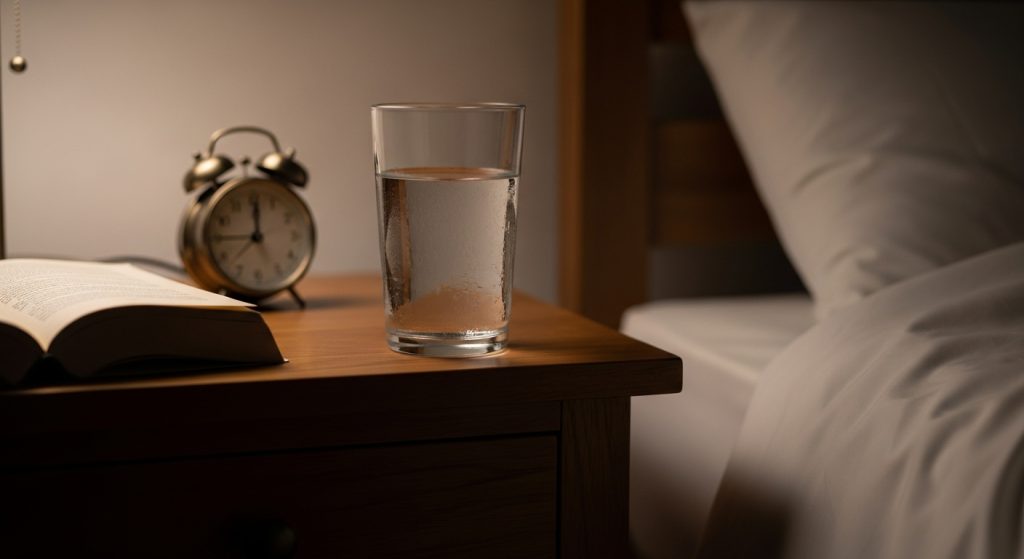
It’s a nightly ritual for many of us: before heading to bed, we place a glass of water on the nightstand, just in case we wake up thirsty during the night. After all, who wants to get out of bed and stumble to the kitchen in the dark?
But as comforting as it may seem to have that glass within arm’s reach, researchers now warn that drinking water that’s been sitting out overnight could actually be harmful to your health. The reasons might surprise you.
Why We Keep a Glass of Water Beside the Bed
It’s completely normal to wake up during the night feeling thirsty. In many cases, this happens after eating salty or processed foods for dinner — think pizza, burgers, or chips. High-sodium meals trigger your body’s thirst response hours later, often just as you’ve settled into bed.
So, we instinctively keep water close by. But while it might seem harmless or even healthy, science suggests otherwise. Studies have shown that water left uncovered overnight can become a breeding ground for bacteria, dust particles, and even chemical contaminants.
The Importance of Staying Hydrated (the Right Way)
Before diving into why that glass of water becomes unsafe, it’s important to recognize the role hydration plays in your overall health.
Water is vital for maintaining proper body temperature, aiding digestion, lubricating joints, and keeping the skin healthy. Experts recommend drinking water consistently throughout the day rather than relying on sporadic, large amounts.
If you find yourself waking up parched in the middle of the night, it’s actually a sign that your body hasn’t received enough fluids during the day. Staying hydrated while awake can help you sleep better and reduce the need to reach for that bedside glass in the dark.
What Happens to a Glass of Water Overnight
To understand what really happens to that innocent-looking glass of water on your nightstand, we can look at research conducted by Dr. Kellogg Schwab, director of the Johns Hopkins University Water Institute.
According to his findings, the moment you pour water into a glass and leave it exposed, it begins interacting with the environment around it. During the night, microscopic particles in the air — including dust, bacteria, mold spores, and even your own saliva particles (if you’ve taken a sip) — can settle on the surface and mix into the water.
The result? By morning, your water may still look clear and harmless, but it’s far from being pure.
The Science Behind Contamination
Dr. Schwab’s research revealed that bacteria multiply rapidly in stagnant, uncovered water — especially at room temperature. When water sits for several hours, it becomes an ideal environment for microbial growth.
This effect is even stronger in a warm bedroom, where the temperature often rises overnight due to heating systems or body heat. The slight warmth encourages bacteria to thrive, and without any covering, nothing prevents airborne particles from contaminating the glass.
Even worse, if you’ve taken a sip before falling asleep, your saliva introduces microorganisms into the remaining water. During the night, those microbes can multiply exponentially. By morning, your “harmless” glass of water may contain a surprising number of unwanted guests.
Why Temperature Fluctuations Make It Worse
The problem isn’t limited to uncovered glasses of water. Even sealed plastic bottles can become unsafe if exposed to changes in temperature — for instance, if you leave a bottle in your car, near a heater, or under direct sunlight.
When plastic bottles are repeatedly heated and cooled, the material can release harmful chemicals, such as bisphenol A (BPA) or phthalates, into the water. These compounds are known endocrine disruptors and can negatively affect hormone balance when consumed over time.
That’s why experts recommend never drinking from bottles that have been sitting in warm environments or exposed to sunlight for long periods.
How to Avoid the Risks
Fortunately, avoiding these risks doesn’t mean you have to go thirsty at night. A few simple changes can make all the difference:
-
Use a covered bottle or container.
Opt for a reusable water bottle with a lid instead of an open glass. This prevents dust and bacteria from entering while you sleep. -
Wash your container regularly.
Even if it looks clean, wash your bottle or glass daily with soap and warm water to remove any buildup of bacteria or residue. -
Keep water away from heat sources.
Don’t leave your glass or bottle near lamps, heaters, or electronic devices that emit heat. Warmer conditions speed up bacterial growth. -
Avoid reusing plastic bottles.
Disposable plastic bottles are not designed for multiple uses. Over time, tiny cracks form in the material, which can harbor bacteria and leach chemicals. -
Stay hydrated during the day.
The simplest way to avoid nighttime thirst is to drink enough water throughout the day. Experts suggest eight glasses daily, though individual needs vary based on diet, activity level, and climate.
What to Do If You Wake Up Thirsty
If you do wake up thirsty, it’s fine to take a small sip — but make sure the water is fresh. Keep a covered bottle or thermos nearby and refill it each night before bed. Discard any leftover water in the morning and rinse the container thoroughly before refilling.
For people who frequently experience nighttime thirst, it may be worth looking at underlying causes. Excessive salt intake, dehydration, or certain medications can contribute to dry mouth and increased thirst at night.
A Habit Worth Changing
Leaving a glass of water on your nightstand may seem like an innocent habit, but science says it’s better avoided. Overnight exposure allows airborne bacteria and dust to settle into the water, while warm room temperatures create the perfect environment for contamination.
While taking a sip probably won’t make you seriously ill, regularly drinking water that’s been sitting out for hours isn’t a healthy practice — especially for those with weakened immune systems or allergies.
The takeaway is simple: fresh water is always best. Refill your bottle or glass each evening, keep it covered, and make hydration a part of your daily routine rather than a midnight emergency.
Your body — and your immune system — will thank you for it.