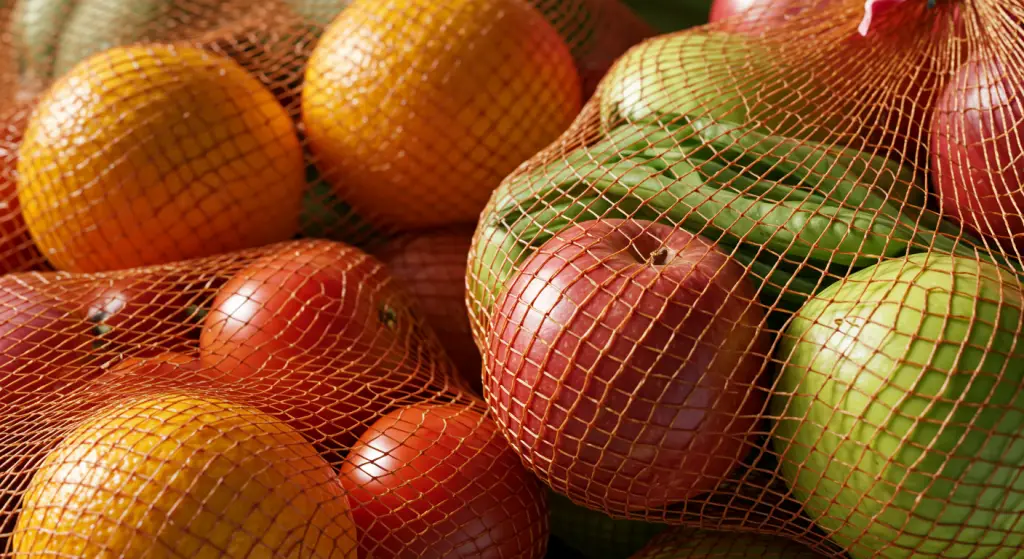
Don’t throw away fruit and vegetable nets: they hide a thousand other uses around the home.
Recycling everyday items can be both useful and surprisingly fun. One of the best examples is the colorful plastic nets used to package fruits and vegetables like oranges, onions, and potatoes. These nets, often overlooked as waste, can actually be transformed into a variety of practical and creative household items. Before you toss them in the recycling bin, consider giving them a second life with these clever ideas.
The Importance of Recycling and Reuse
Sustainability is becoming an essential part of our daily lives. While most supermarkets still sell produce in plastic mesh bags, it’s always better to choose loose fruits and vegetables whenever possible. Using reusable produce bags or compostable alternatives helps reduce waste and protect the environment.
However, there are times when buying prepackaged produce is unavoidable. In those cases, instead of simply discarding the nets, you can repurpose them in creative ways that not only extend their usefulness but also contribute to a more eco-friendly lifestyle. With a bit of imagination, these plastic meshes can become practical tools or even decorative items.
Transforming Fruit Nets into Kitchen Sponges
One of the simplest and most effective ways to reuse fruit and vegetable nets is by turning them into cleaning sponges for your kitchen. The mesh material is perfect for scrubbing dishes, pots, and pans without scratching their surfaces.
To make one, take several nets—preferably of different colors—and layer them inside a smaller net, like the one that usually holds garlic or shallots. Once you’ve stuffed it to the desired thickness, tie a knot at the top to secure it. The result is a durable and lightweight sponge ideal for washing dishes.
After each use, rinse it thoroughly and leave it in the sun to dry. It will dry quickly and won’t develop unpleasant odors like traditional sponges often do. Plus, it’s completely free and made from materials you already have at home.
A DIY Bath Sponge or Shower Scrub
The same concept can be applied to personal care. Those colorful nets can be turned into exfoliating bath sponges or shower scrubs. The slightly rough texture of the plastic mesh gently removes dead skin cells, leaving your skin smooth and refreshed.
To create one, simply gather a few nets, bunch them up, and tie them together with a cord or ribbon to form a puff-like shape. If you prefer, you can sew the ends together to make a more compact version. The result is very similar to the store-bought bath poufs—but homemade, eco-friendly, and completely customizable.
Since the material doesn’t retain moisture easily, it’s resistant to mold and bacteria, making it a hygienic alternative. You can even make different-colored sponges for each family member to tell them apart easily.
For a more advanced version, you can cut the nets into rectangular shapes, sew the edges, and stuff them with pieces of old cloth or towels. This creates a reusable exfoliating pad that works wonderfully for body scrubs.
Keeping Small Items Secure in the Dishwasher
Another clever use for these nets is in the dishwasher. Small kitchen items such as bottle caps, baby spoons, or tiny accessories often get lost or fall to the bottom during a wash cycle. To prevent this, place the small objects inside a fruit net, tie it closed, and lay it securely on the top rack of the dishwasher.
This simple trick ensures that all items stay in place and are cleaned thoroughly, without the risk of damaging your appliance. It’s an easy, practical solution that gives new life to a piece of plastic mesh that would otherwise go to waste.
Feeding Birds with Recycled Nets
If you have a garden or live near green spaces, you can repurpose fruit nets into small bird feeders. Fill the nets with seeds or pieces of suet, tie them up, and hang them from tree branches. The small openings allow birds to peck at the food easily, while the net keeps the contents secure.
This is a great way to support local wildlife, especially during colder months when food is scarce. You can even involve children in decorating the feeders, teaching them about sustainability and caring for nature in a fun, hands-on way.
Other Creative Ideas for Reusing Fruit Nets
The possibilities don’t end there. These flexible plastic meshes can be used in many other ways around the home:
-
Organizing small items: Use them to store buttons, hair accessories, or other tiny objects. You can hang the nets in your closet or craft room for easy access.
-
Toy making: With a little creativity, you can turn fruit nets into colorful puppets or sensory toys for children. Fill them with soft materials, tie the ends, and draw fun faces on them.
-
Garden helper: Wrap the nets around delicate plant stems for protection or use them to store and dry garlic, onions, or bulbs.
-
Cleaning tool: Use a folded piece of mesh as a gentle scrubber for cleaning tiles, sinks, or even vegetables with tough skins like potatoes.
Small Changes, Big Impact
Reusing fruit and vegetable nets might seem like a small gesture, but when practiced consistently, it helps reduce plastic waste and promotes a sustainable mindset. Instead of buying new products, you can often repurpose what you already have, saving both money and resources.
So next time you finish a bag of oranges or potatoes, don’t throw the net away. Give it a second chance—whether it becomes a dish sponge, a bird feeder, or a fun DIY project with your kids. By embracing creativity and sustainability in your everyday life, you’re taking one more step toward a cleaner, greener planet.