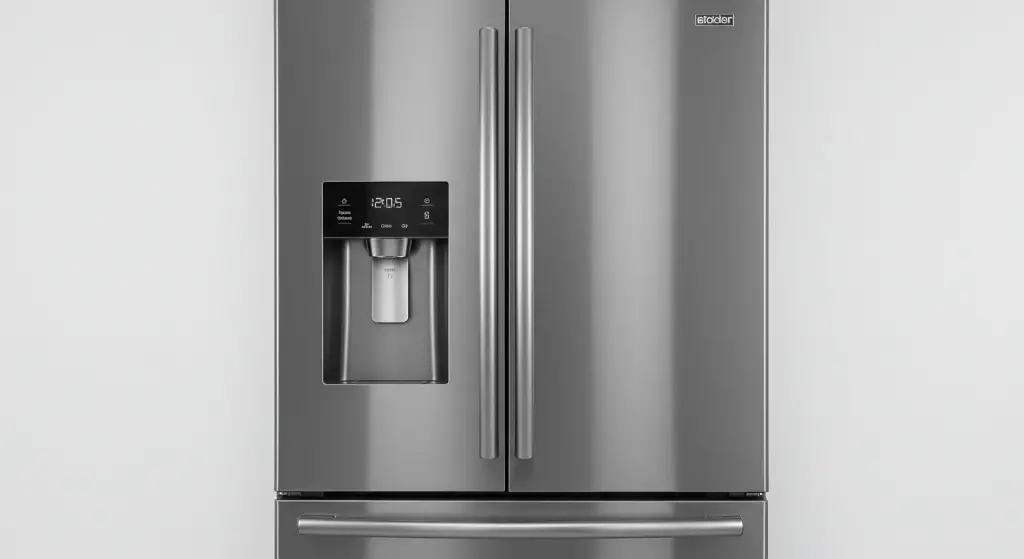
Refrigerator, how to reduce your bill: there is a function that could do it
In most homes, the refrigerator is one of the few appliances that never stops running. While it’s essential for preserving food, it can also be one of the biggest contributors to your energy bill if not used and maintained properly. Fortunately, there are simple and effective ways to control its energy consumption and reduce your monthly expenses. Let’s explore some practical steps to make your fridge more efficient while keeping it clean and fresh.
Why the Refrigerator Impacts Your Energy Bill
Among all household appliances, the refrigerator is often one of the top energy consumers. It operates 24 hours a day, 7 days a week, maintaining a constant internal temperature to prevent food spoilage. Because it never rests, even small inefficiencies—like frost buildup, dirty coils, or improper temperature settings—can significantly increase electricity consumption over time.
One of the easiest and most effective ways to improve your refrigerator’s performance and cut down on energy usage is to defrost it regularly. According to several sources, defrosting your fridge periodically can help you save up to 30% on energy costs.
How Defrosting Helps Reduce Energy Consumption
When ice builds up inside the freezer or along the cooling coils, the refrigerator has to work harder to maintain the right temperature. This means the compressor runs longer and consumes more energy. Over time, this not only raises your electricity bill but can also reduce the appliance’s lifespan.
Defrosting the refrigerator helps prevent this problem by allowing it to operate efficiently. If you have a modern fridge with an automatic defrosting system, the process happens on its own. However, if your refrigerator is an older model, ice accumulation can occur more frequently and needs to be removed manually.
How to Properly Defrost a Refrigerator
If your refrigerator doesn’t defrost automatically, here’s how to do it safely and effectively:
-
Empty the contents – Remove all food items from the fridge and freezer compartments. Place them in a cooler or insulated bag with ice packs to keep them cold during the process.
-
Prepare for water runoff – Place a shallow tray or bowl under the drainage tube (if your fridge has one) to collect melting water. If there’s no drain, use towels or cloths to absorb excess water that may drip onto the floor.
-
Unplug the refrigerator – Always disconnect it from the power source before starting. This will allow the temperature inside to rise and the ice to begin melting naturally.
-
Speed up the process (optional) – To accelerate melting, you can place a bowl of hot water inside the freezer compartment and close the door. The steam will help loosen the ice faster.
-
Remove ice manually if necessary – Use a plastic spatula or scraper to gently lift off the ice chunks as they soften. Avoid using metal tools, which can damage the interior surfaces or cooling elements.
-
Clean and dry thoroughly – Once all the ice has melted, wipe the interior with a clean cloth to remove any moisture before plugging the refrigerator back in.
Defrosting your refrigerator every few months—or whenever ice buildup exceeds half a centimeter—can significantly reduce its workload and energy consumption.
How to Clean the Refrigerator Effectively
A clean fridge doesn’t just look and smell better—it also performs better. Regular cleaning helps eliminate bacteria, mold, and unpleasant odors that may develop from food residues. It’s recommended to clean your refrigerator at least once a month, and ideally twice, to keep it in optimal condition.
Here are some natural, eco-friendly cleaning solutions that work wonders:
1. Baking Soda
Baking soda is a powerful natural cleaner and deodorizer. It effectively removes stains, absorbs bad odors, and neutralizes bacteria without harsh chemicals. To use it:
-
Mix 3 to 4 tablespoons of baking soda in a bowl of warm water.
-
Dip a soft sponge or cloth in the solution and wipe down all surfaces inside the fridge, including shelves and drawers.
-
Rinse with clean water and dry with a soft towel.
To keep your refrigerator smelling fresh, you can also place an open container of baking soda on one of the shelves. Replace it every 30 days.
2. White Vinegar
White vinegar is another excellent natural disinfectant. Thanks to its antimicrobial properties, it can kill bacteria and remove stubborn odors while leaving a fresh, neutral scent.
-
Combine equal parts of white vinegar and warm water in a spray bottle.
-
Spray the mixture inside the fridge and wipe with a clean cloth or sponge.
-
Rinse with a damp cloth and dry thoroughly before returning the food.
This method not only cleans but also helps prevent mold growth.
3. Lemon Juice
If you prefer a pleasant citrus fragrance, lemon is your best friend. It has natural antiseptic and deodorizing properties.
-
Squeeze fresh lemon juice onto a sponge or cloth.
-
Wipe down all surfaces inside the refrigerator.
-
Rinse with warm water and dry completely.
You can also place a few slices of lemon in a small dish inside the fridge to keep it smelling naturally fresh.
Additional Energy-Saving Tips for Your Refrigerator
Besides defrosting and cleaning, a few daily habits can make a noticeable difference in energy consumption:
-
Keep the door closed as much as possible. Every time you open it, cold air escapes, forcing the appliance to work harder to restore the temperature.
-
Avoid overloading the fridge, as poor air circulation makes cooling less efficient.
-
Check the temperature settings – The ideal refrigerator temperature is between 3°C and 5°C (37°F–41°F), and the freezer should be around -18°C (0°F).
-
Inspect the door seals – If the rubber gasket is dirty or worn, cold air will leak out. Clean it regularly and replace it if necessary.
-
Allow hot food to cool before placing it inside; otherwise, the internal temperature will rise, increasing energy use.
Conclusion
Your refrigerator is an essential part of daily life, but it doesn’t have to be a drain on your wallet. With simple maintenance steps like regular defrosting, monthly cleaning, and smart usage habits, you can make your fridge more energy-efficient and extend its lifespan. These small actions add up to significant savings on your electricity bill—while keeping your food fresh and your kitchen smelling clean.