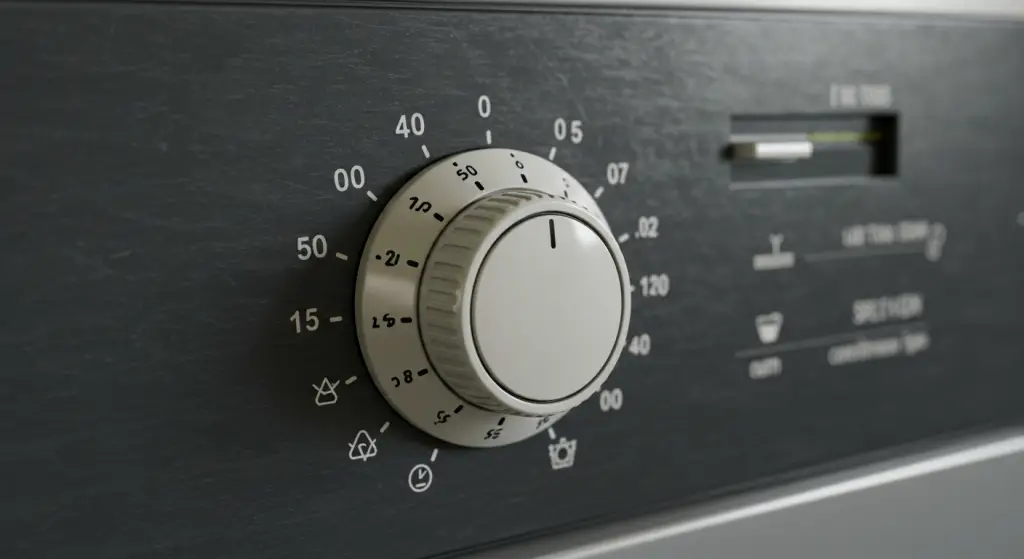
Washing machine, with this button you can reduce your bills: unfortunately few people know this
Saving money has become a top priority for most families, especially with rising energy costs and inflation putting pressure on household budgets. While many appliances consume large amounts of electricity, one of the most used—and indispensable—is the washing machine. But what if a simple choice of washing program could significantly reduce your energy bill at the end of the month? Let’s explore how you can use your washing machine more wisely and save money without giving up clean laundry.
Energy Crisis and the Cost of Living
Over the past few years, families across Europe have been dealing with a perfect storm of economic challenges. The ongoing conflict between Russia and Ukraine, combined with post-pandemic effects, has disrupted energy markets and caused prices to soar. Inflation continues to erode purchasing power, forcing families and businesses alike to tighten their budgets and seek smarter ways to cut expenses.
Household energy consumption has become one of the biggest concerns. Heating, cooking, and running appliances now represent a significant portion of monthly costs. During the winter months, when heating expenses are at their peak, every little saving counts — and this includes the way we use our washing machines.
The Washing Machine: An Indispensable Appliance
The washing machine is one of the great conveniences of modern life. It has revolutionized how we care for our clothes and simplified household chores. Unlike the dishwasher, which some can do without, the washing machine is essential for maintaining hygiene and cleanliness, especially in larger families.
However, while we can’t live without it, we can use it more efficiently. Making informed choices about how and when to run your washing machine can make a noticeable difference on your electricity bill — without compromising results.
Understanding Energy Classes
Before discussing washing programs, it’s important to understand how much your appliance consumes. Washing machines are categorized according to energy efficiency classes, which determine how much electricity and water they use per cycle.
In the past, labels such as A+, A++, and A+++ were used. However, the European Union has simplified the system: modern appliances are now classified from A (most efficient) to G (least efficient).
According to current EU regulations, washing machines sold today cannot have an energy class lower than A, ensuring a minimum standard of efficiency. Still, not all A-class machines perform the same, so checking the energy label and comparing models remains essential when buying a new one.
Although higher-efficiency models usually cost more upfront, they offer long-term savings by consuming much less energy and water, eventually paying for themselves through lower bills.
The “Eco” Program vs. the “Quick Wash” Program
Most modern washing machines include several washing programs, but the two most commonly discussed for saving energy are Eco and Quick Wash. Both are designed to optimize performance, yet they operate very differently — and understanding this difference is key to making the right choice.
1. The Quick Wash Program
This setting usually lasts around 30 minutes and is designed for small loads or lightly soiled clothes. At first glance, it seems like the perfect way to save energy and time. After all, a shorter cycle means the machine runs for less time, right?
Not quite. Quick wash programs often use higher temperatures and more water pressure to clean clothes quickly. This results in higher instant energy consumption, even though the duration is shorter. It’s convenient but not the most efficient option for regular use.
2. The Eco Program
The Eco cycle, on the other hand, takes much longer — typically between 3 and 5 hours. This longer duration allows the washing machine to operate at lower temperatures and use less water and electricity overall.
According to studies by Altroconsumo, using the Eco program can save up to 74% in energy consumption compared to standard or quick cycles. The extended time gives detergents more opportunity to act effectively, compensating for the lower heat.
However, it’s important to choose the right cycle depending on your laundry type. The Eco program is ideal for lightly or moderately soiled clothes, but if your laundry is heavily stained or greasy, higher temperatures may still be necessary for proper cleaning.
Tips to Maximize Savings When Using the Washing Machine
In addition to choosing the right program, several small adjustments can help you save even more on your energy bill:
-
Run full loads: Avoid running the machine half-empty. Washing full loads optimizes energy and water use.
-
Use lower temperatures: Most detergents clean effectively at 30°C or 40°C. Only use higher temperatures when necessary.
-
Take advantage of off-peak hours: If your electricity provider offers bi-hourly tariffs, schedule your laundry during evenings, weekends, or holidays, when energy rates are lower.
-
Maintain your machine: Regularly clean the filter and detergent drawer to ensure efficiency. A clean washing machine works better and uses less energy.
-
Use quality detergents: Eco-friendly detergents are designed to work effectively at low temperatures, improving results without raising energy use.
-
Reduce spin speed when possible: High spin speeds consume more energy and wear out clothes faster.
-
Keep an eye on your energy class: If your washing machine is old, replacing it with a more efficient A-class model could cut your energy use drastically.
Eco-Friendly Habits for the Long Run
Saving money on your electricity bill doesn’t require drastic changes — just smarter habits. Choosing the Eco program over the Quick Wash may take more time, but it’s a simple and effective way to reduce your carbon footprint and your expenses.
Remember, the Eco button isn’t just a label; it’s a tool for sustainability. By combining efficient washing programs, mindful use of electricity, and regular maintenance, every household can contribute to lower energy consumption and help protect the environment — while keeping clothes perfectly clean.
In today’s world of rising costs and energy challenges, these small choices make a big difference. With the right approach, your washing machine can become an ally not just for hygiene, but also for economic and environmental savings.