Grease Stains from Clothes: How to Remove Them in 5 Minutes Without Using a Washing Machine
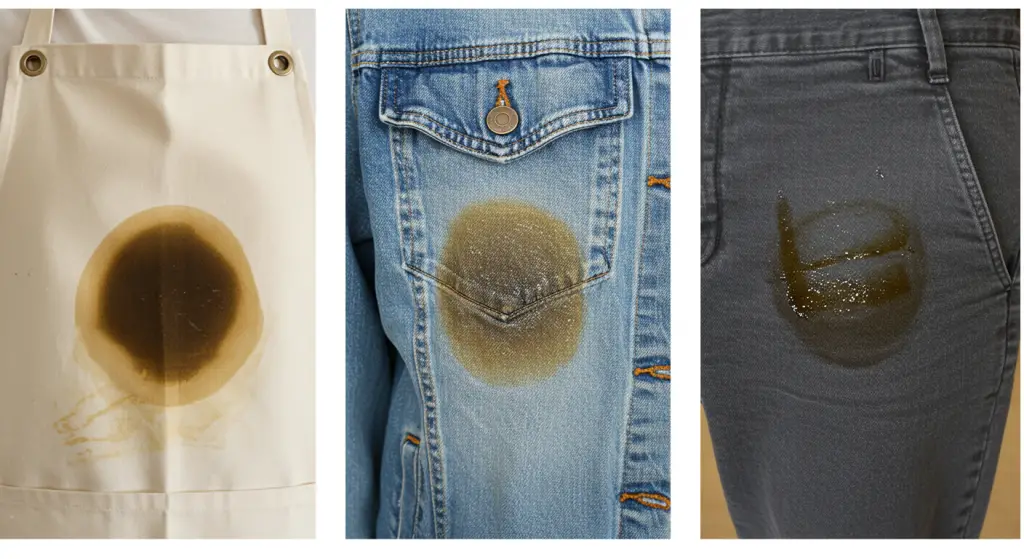
Grease stains are tricky because oil binds tightly to fabric fibers. When not treated immediately, the grease penetrates deeper into the material, making it harder to remove. Even after several washes, faint traces of the stain often remain. That’s why acting quickly is key.
The first and most important step is to blot the excess oil as soon as the spill occurs. Use a paper towel, napkin, or clean cloth to absorb as much grease as possible before it spreads. Avoid rubbing — that only pushes the oil deeper into the fibers. Once the excess has been removed, you can move on to one of the following home remedies.
1. Salt – The Natural Absorber
Salt isn’t just for seasoning your food — it’s also excellent for drawing oil out of fabric.
How to use it:
-
Sprinkle a generous amount of fine salt directly onto the grease stain.
-
Let it sit for about 10 minutes so it can absorb the oil.
-
Shake off the salt or brush it away.
-
Soak the stained area in warm water with a little detergent for an hour, then rinse.
This method works well for fresh stains and is safe for most fabrics.
2. Lemon Juice – The Natural Degreaser
Lemon juice acts as a mild, natural degreaser thanks to its acidity. It helps dissolve oils while leaving a fresh scent behind.
How to use it:
-
Cut a lemon slice and gently rub it over the stain.
-
Let the juice soak into the fabric for a few minutes.
-
Rinse the area with warm water to remove any residue.
If you don’t have a fresh lemon, bottled lemon juice will do, though it may take slightly longer to work. Be cautious with delicate fabrics, as lemon can sometimes lighten colors.
3. White Vinegar – A Versatile Stain Fighter
White vinegar is one of the most effective natural cleaning agents you can use in your home. It breaks down grease, deodorizes, and is gentle enough for most textiles.
How to use it:
-
Pour a small amount of white vinegar onto a cotton ball or cloth.
-
Dab it directly on the stain — don’t rub.
-
Let it sit for 30 minutes.
-
Rinse with warm water and a touch of mild detergent.
You’ll be surprised at how easily the stain lifts. Vinegar is especially useful for old or stubborn grease spots that have already set.
4. Baking Soda – The Classic Kitchen Remedy
Baking soda is another kitchen essential that doubles as a powerful cleaner. It’s mildly abrasive, deodorizing, and highly absorbent — perfect for greasy marks.
How to use it:
-
Sprinkle baking soda directly over the stain.
-
Let it sit for 15–20 minutes.
-
Gently brush it off, then rinse with water.
For tougher stains, you can make a paste using baking soda and a few drops of vinegar or water. Apply it to the area, leave it for 10 minutes, then scrub lightly and rinse.
5. Cornstarch (or Maizena) – The Secret Powder Trick
Cornstarch, often used as a thickening agent in cooking, works wonders on oily fabrics. Because it’s a fine powder, it naturally absorbs grease and helps lift it from fibers without harsh chemicals.
How to use it:
-
Sprinkle a small amount of cornstarch over the affected area.
-
Leave it for at least 30 minutes to let it absorb the oil.
-
Once dry, brush off the powder.
This method is ideal for delicate materials like silk or wool, where you want to avoid moisture.
Other Household Products That Work
If you don’t have kitchen ingredients handy, several everyday items can help eliminate grease stains just as effectively.
Alcohol
Rubbing alcohol can act as a “stain catcher,” breaking down oils quickly.
-
Apply a few drops of alcohol directly onto the stain.
-
Let it sit for a few minutes.
-
Rinse with warm water and mild soap.
This method is fast and efficient, especially for synthetic fabrics.
Talcum Powder
Talcum powder absorbs grease in the same way as cornstarch.
-
Sprinkle it over the oily mark.
-
Allow it to sit until it’s completely dry.
-
Brush it off or wipe gently with a cloth.
It’s a particularly discreet solution for spot-cleaning garments without leaving any visible marks.
Chalk
Chalk might seem like an unlikely stain remover, but it’s made of soft, porous material that absorbs oil effectively.
-
Rub white chalk directly onto the stain.
-
Let it sit for a few minutes.
-
Brush it off and clean the area with a damp cloth and a drop of detergent.
It’s perfect for quick fixes, especially when you’re out of the house or traveling.
Dishwashing Liquid
Last but not least, dish soap is one of the best degreasers available. It’s formulated to break down oil and food residue — and it works just as well on clothes.
How to use it:
-
Apply a small drop of dish soap directly to the stain.
-
Rub gently with your fingertips.
-
Let it sit for 5–10 minutes.
-
Rinse thoroughly with warm water.
Avoid this method on delicate or colored fabrics, as some dish soaps can be too harsh.
Quick Tips for Best Results
-
Act fast: The sooner you treat a grease stain, the easier it will be to remove.
-
Don’t rub: Always blot gently to avoid spreading the oil.
-
Test first: Before using any remedy, test it on an inconspicuous area of the fabric to ensure it won’t cause discoloration.
-
Air dry: Once the stain is gone, let the fabric air dry instead of using a dryer, which could set any remaining traces.
Final Thoughts
You don’t always need a washing machine to deal with grease stains. With simple household products like salt, lemon, vinegar, baking soda, or cornstarch, you can easily treat small stains directly and keep your clothes looking spotless. These natural and accessible remedies are not only effective but also eco-friendly and gentle on fabrics.
Next time you spill oil or butter on your favorite shirt, don’t panic — just reach for one of these everyday solutions and watch the stain disappear in minutes.