Burnt pots and pans: how to easily remove all the dirt
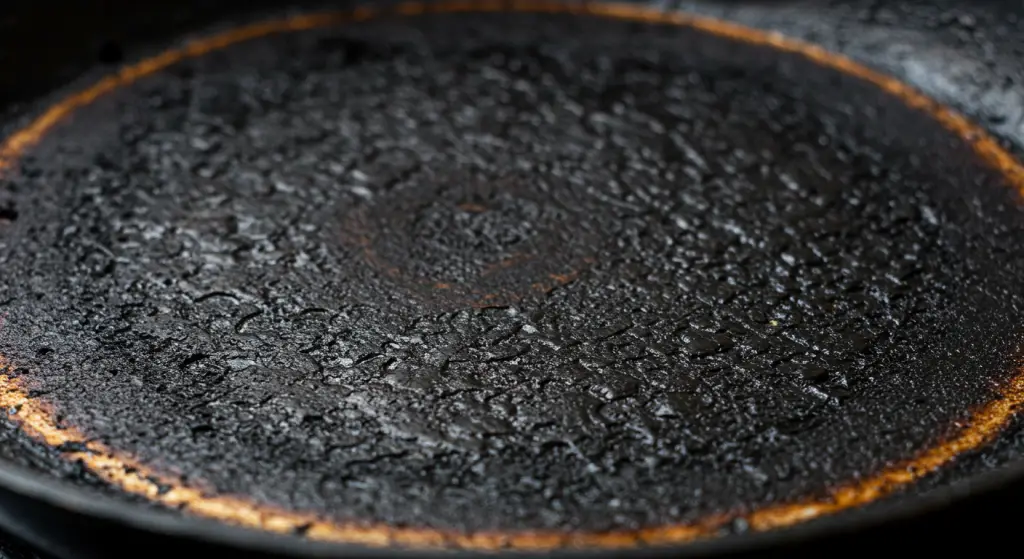
Pots and pans are an essential part of every kitchen, no matter where you live or what you cook. They come in every shape, size, and material imaginable, helping us prepare everything from simple breakfasts to elaborate dinners for family and guests. Yet, despite their importance, these kitchen tools often suffer from neglect and improper use. A single moment of distraction can turn a perfectly good pan into a burnt, crusted mess that seems impossible to clean.
Replacing cookware frequently can become expensive, so learning how to take proper care of them — and how to clean them effectively when things go wrong — is essential. With the right methods and a few natural ingredients, even the most stubborn burnt food residues can be removed without damaging your pans or exposing yourself to harsh chemicals.
Everyday Care: How to Keep Your Cookware in Good Condition
Whether you’re using a non-stick frying pan, stainless steel pot, or cast-iron skillet, all cookware needs proper care to last. Here are some common mistakes that lead to damage:
-
Using high heat unnecessarily: Always keep an eye on your food while it’s cooking. Leaving a pan unattended on a high flame is the easiest way to burn both your food and your cookware.
-
Using metal utensils on non-stick surfaces: Metal spoons, forks, or spatulas can easily scratch the coating of your pans, reducing their lifespan and making them unsafe to use. Opt for wooden, silicone, or plastic utensils instead.
-
Neglecting cleaning: Leaving burnt residues or grease to sit can cause permanent staining or damage. Cleaning cookware promptly and gently is key to maintaining its quality.
Even if you’re careful, burnt food happens to everyone. The good news is that cleaning burnt pots and pans doesn’t have to be a nightmare — and it can be done naturally and safely.
Step 1: Soften the Burnt Residue with Hot Water
When food sticks or burns at the bottom of a pan, resist the urge to scrape it aggressively with a knife or rough sponge — that will only make things worse. Instead, start with the simplest method: hot water.
-
Remove loose food particles. First, use a wooden or silicone spatula to gently lift off any food that easily detaches.
-
Add hot water. Fill the pot or pan with enough water to cover the burnt area.
-
Simmer gently. Place it back on the stove over low heat and let the water come to a boil. Once boiling, let it simmer for about 30 minutes.
This softens the burnt food and makes it easier to scrub off later. After simmering, pour out the water and gently rub the inside of the pan using a soft sponge. You’ll notice the residue coming off much more easily.
Step 2: Use Baking Soda or Vinegar for Stubborn Stains
If boiling water alone doesn’t do the trick, move on to one of two classic natural cleaning agents — baking soda or vinegar. Both are safe, inexpensive, and effective.
Option 1: Baking Soda
-
Fill the pan with hot water and add two tablespoons of baking soda.
-
Let it soak for at least one hour (overnight for tough stains).
-
Gently scrub using a soft sponge or non-abrasive cloth.
Option 2: White Vinegar
-
Pour enough hot water into the pan to cover the burnt area.
-
Add two tablespoons of vinegar and let it sit for an hour.
-
Rinse and wipe clean with a soft sponge.
Both baking soda and vinegar break down grease and loosen burnt particles without scratching the surface of your cookware.
Tip: Never use rough scouring pads or steel wool on non-stick or coated pans — this can strip the protective layer, making them unsafe to cook with.
Step 3: The Overnight Soak Trick
If you’ve tried everything and the burnt residue still won’t budge, don’t give up yet. There’s a tried-and-true trick that works wonders: an overnight soak.
Simply fill your pot or pan with warm water and let it sit overnight. The combination of time and moisture will gradually loosen even the most stubborn burnt food. In the morning, you’ll be able to wipe it clean with minimal effort.
Alternatively, you can heat the pan with water for 10 minutes, let it cool slightly, and then wash it — another simple way to make cleaning easier.
Bonus Tips for Cleaning Other Kitchen Items
Sometimes, burnt residue or stains aren’t limited to pots and pans. Here’s how to clean other commonly used kitchen tools naturally and safely:
1. Wooden Cutting Boards:
If your wooden cutting board is stained or has food odors, sprinkle coarse salt over the surface, cut a lemon in half, and rub it across the board. The salt acts as a gentle abrasive, while the lemon disinfects and removes odors. Wipe it clean with a damp cloth and let it air dry.
2. Burnt Coffee Makers or Moka Pots:
If your coffee maker looks blackened or dull from use, there’s an easy fix:
-
Fill the sink with hot water.
-
Add two tablespoons of salt, 50 grams of baking soda, and two teaspoons of vinegar.
-
Submerge the coffee maker for about 15 minutes.
-
Gently scrub with a soft sponge and rinse well.
This method removes stains and restores shine without damaging the aluminum or stainless steel.
Why These Methods Work
The reason these home remedies are so effective lies in simple chemistry.
-
Hot water loosens food residues and softens carbonized particles.
-
Baking soda acts as a natural alkali, neutralizing acids and breaking down burnt food and grease.
-
Vinegar dissolves mineral build-up and eliminates bacteria.
-
Salt and lemon provide gentle abrasion and natural disinfection for wood surfaces.
Unlike commercial cleaning products, these natural ingredients are safe for your health, eco-friendly, and inexpensive.
The Final Touch: Prevention is Better Than Cure
Once your pots and pans are clean and shiny again, take some preventive steps to avoid future damage:
-
Always cook on medium heat unless a recipe specifically requires high heat.
-
Preheat pans gradually instead of exposing them to sudden temperature changes.
-
Clean cookware immediately after use to prevent buildup.
-
Store them properly to avoid scratches and dents.
By following these simple and natural cleaning techniques, you can bring even your most burnt and battered cookware back to life — without resorting to harsh chemicals or expensive replacements. With just hot water, baking soda, and vinegar, your pots, pans, and even coffee makers will look as good as new — ready to serve up countless delicious meals once again.