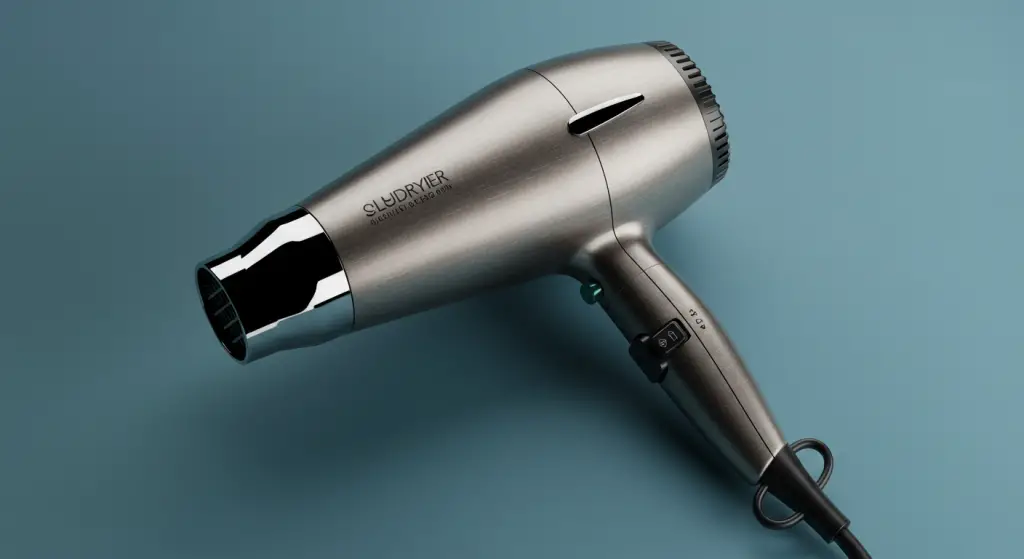
Hairdryer, don’t wrap the cord like everyone else does: it’s a big risk.
The hair dryer is one of the most essential household appliances—no home is truly complete without one. It’s not just a beauty tool but a daily necessity for many. Whether it’s winter or summer, people rely on it not only to dry their hair but often to warm themselves up on chilly mornings. However, few realize that this everyday item can quickly become dangerous if handled or stored incorrectly.
The Everyday Mistake We All Make
Using a hair dryer is part of most people’s routine: you shower, dry your hair, tidy up, and put everything back in its place. Simple, right? But there’s a very common and risky habit almost everyone is guilty of—wrapping the power cord tightly around the body of the dryer right after using it.
This action seems harmless, even tidy, but it can actually cause serious damage over time. When you wind the cord tightly, especially while the appliance is still warm, the internal wires can bend, twist, or even break. This not only reduces the lifespan of your hair dryer but can also create electrical hazards such as short circuits or sparks.
What’s worse, many people do this immediately after turning off the device, while it’s still hot. The nozzle area of the hair dryer stays warm much longer than the rest of the appliance. When the hot air continues to radiate, it can overheat the tightly wrapped cable, melting its insulation and damaging the internal wiring. The result? A malfunctioning or completely dead hair dryer—and potentially a fire hazard.
The Right Way to Store a Hair Dryer
Proper storage is crucial for keeping your appliance safe and functional for years. First, always let your hair dryer cool down completely before putting it away. It usually takes just a few minutes for it to return to room temperature.
Once cooled, avoid wrapping the cord around the dryer. Instead, loosely coil the cable in a circular shape or hang it freely to prevent tension on the wires. If possible, store it by hanging it on a wall hook or, even better, in a specially designed hair dryer holder.
Hair dryer holders come in many sizes and styles, from compact wall-mounted models to larger countertop versions. They keep the appliance secure, allow air circulation, and prevent the cord from tangling or overheating.
Cleaning and Maintenance: The Often-Ignored Step
Another mistake people make is neglecting the maintenance of their hair dryer. Most assume it doesn’t need cleaning, but regular upkeep is essential for both performance and safety.
The most important part to clean is the filter, usually located at the back of the dryer. Over time, this filter collects dust, lint, hair, and other debris that block airflow. When the air can’t circulate properly, the motor overheats, reducing efficiency and potentially causing the device to burn out.
To clean the filter safely, always unplug the dryer and wait until it has completely cooled down. Remove the filter cover—most models allow you to twist or snap it off easily. Use a small brush, a dry cloth, or even a soft toothbrush to remove any buildup. Avoid using water or chemical cleaners, as these can damage internal parts or leave moisture behind. Once done, let it air-dry before reassembling and using the dryer again.
When to Repair or Replace
If you notice unusual noises, strange smells, or inconsistent airflow, stop using the hair dryer immediately. These are often signs of internal damage or electrical faults. If the device is still under warranty, return it to the retailer or manufacturer for repair or replacement.
Never attempt to repair a hair dryer on your own unless you are a qualified technician. It’s an electrical appliance, and improper handling could result in electric shock or even fire. In most cases, professional repair or replacement is the safest choice.
How to Use a Hair Dryer Without Damaging Your Hair
Apart from electrical safety, using a hair dryer the wrong way can also harm your hair. Many people make the mistake of drying their hair when it’s only slightly damp instead of wet. This can actually “cook” the hair, leaving it dry, brittle, and prone to split ends.
The correct method is to start drying your hair when it’s still quite wet, after gently removing excess water with a clean, soft towel. Avoid rubbing your hair too vigorously—just pat or squeeze gently to absorb moisture.
Before using the dryer, detangle your hair with your fingers instead of a comb to prevent breakage. Divide your hair into small sections for faster and more even drying.
A helpful tip: flip your head upside down while drying to add natural volume. If you have curly hair, use a diffuser attachment to maintain the curls’ shape and prevent frizz.
Always maintain a safe distance between the dryer and your scalp—about 25 centimeters (10 inches). Holding it too close can irritate your skin, overheat the roots, and damage the hair shaft. Move the dryer constantly to distribute heat evenly, and use your fingers to lift and separate strands as they dry.
The Bottom Line
A hair dryer may seem like one of the simplest tools in your home, but how you handle, store, and maintain it makes all the difference. Avoid wrapping the cord around the hot dryer, clean the filter regularly, and let it cool before putting it away.
With these small but important precautions, you’ll extend the lifespan of your appliance, prevent electrical risks, and keep your hair looking healthy and shiny. Sometimes, it’s not the product that fails—it’s how we use it that determines how long it lasts.