Oil on tablecloth, remove stains without washing machine: just a few seconds
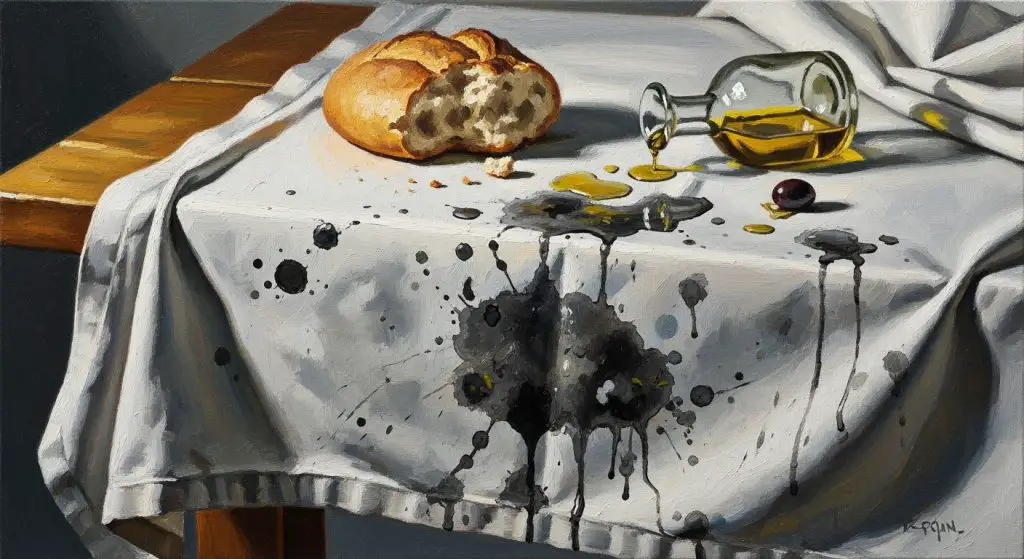
Few things can ruin a lovely meal faster than a splash of oil or wine on your favorite tablecloth. These stains are the nightmare of every homemaker — almost impossible to avoid, especially when there are children at the table. And while washing can remove many types of dirt, oil stains are particularly stubborn, as they seep deep into the fabric fibers and resist regular cleaning.
If you’ve ever struggled with oily or greasy stains that won’t go away no matter how many times you wash the tablecloth, don’t worry. With a few simple household ingredients and the right techniques, you can get your tablecloths spotless again without using harsh chemicals. Let’s explore the most effective natural remedies for removing oil stains — both fresh and old.
Why Oil Stains Are So Hard to Remove
Oil behaves differently from most other liquids. When spilled on fabric, it doesn’t evaporate or dry quickly. Instead, it penetrates deep into the fibers, weakening them and attaching itself to the pigment. That’s why, even after washing, a faint greasy mark may still remain.
The key to successfully removing oil stains is acting fast and using absorbent or degreasing agents that lift the oil out of the fabric before it sets. But even if the stain is old or dry, there are still solutions that can restore your tablecloth’s original beauty.
1. Treat the Stain Immediately
The first rule is to act as soon as you notice the stain. The longer oil stays on the fabric, the deeper it penetrates, making it much harder to remove later.
If you spot a fresh stain during or right after a meal, start by blotting the excess oil with a clean paper towel or a napkin. Avoid rubbing — this only spreads the grease further.
Next, apply one of the following natural absorbents to stop the oil from soaking deeper into the fabric.
2. Cornstarch, Talcum Powder, or Baking Soda
Cornstarch, talcum powder, and baking soda are among the best natural remedies for treating oil stains. They all work by absorbing grease from fabric fibers, preventing the stain from setting.
You’ll need:
-
Cornstarch or talcum powder (baby powder) or baking soda
-
A soft brush or clean cloth
How to use:
-
Sprinkle a generous amount of the chosen powder directly over the oil stain.
-
Let it sit for at least 10–15 minutes so the powder can draw the oil out of the fabric.
-
Gently brush away the residue.
-
If the stain persists, repeat the process before washing.
This step alone can significantly lighten the stain, especially if treated immediately. Baking soda also acts as a gentle natural whitener, making it perfect for light-colored fabrics.
3. Ice to Stop the Spread
If the stain is still wet and spreading, a quick trick is to rub an ice cube over it. The cold temperature helps to solidify the oil, preventing it from seeping deeper into the fabric.
Once the oil hardens slightly, blot it again with a paper towel and apply one of the absorbing powders mentioned above. This simple step can save your tablecloth from permanent damage.
4. Apple Cider Vinegar or White Vinegar
After removing the surface oil with powder, it’s time to lift the deeper residues. Vinegar — whether apple cider or white — is an excellent natural degreaser and deodorizer that helps break down remaining oil molecules.
You’ll need:
-
½ cup of apple cider vinegar or white vinegar
-
1 cup of warm water
-
A soft sponge or clean cloth
How to use:
Mix the vinegar with water, dip the sponge in the solution, and gently dab it on the stained area. Avoid soaking the fabric excessively. After a few minutes, rinse with cold water and proceed with normal washing.
Vinegar neutralizes both the odor and the greasy texture of the stain, leaving your tablecloth fresh and clean.
5. Washing the Tablecloth
Once you’ve pretreated the stain with one or more of the above methods, you can wash the tablecloth as usual. Follow the care label instructions: some fabrics may require hand washing, while others can go in the washing machine.
For extra cleaning power, you can add a tablespoon of baking soda or vinegar to the washing cycle. These natural ingredients enhance the detergent’s effect and help remove any lingering traces of oil or odor.
Make sure to check the stain before drying — if it’s still visible, repeat the treatment. Heat from the dryer can set the stain permanently.
6. Dealing with Old or Dried Oil Stains
If the stain has already dried or has been there for a while, you’ll need a slightly stronger approach. The combination of baking soda and vinegar works wonders in these cases.
You’ll need:
-
2 tablespoons of baking soda
-
2 tablespoons of white vinegar
How to use:
Mix the two ingredients to form a foamy paste, then spread it over the stain. Leave it to act for about 10 minutes. The fizzing reaction helps lift the grease from the fibers. Afterward, rinse thoroughly and wash as usual.
Alternatively, you can make a paste using baking soda and water. Apply it to the stain, leave it on for 15 minutes, then rinse. Repeat the process every 15–20 minutes for a couple of hours if the stain is particularly stubborn.
7. Dish Soap and Vinegar Soak
For very old stains, another excellent method is to use dishwashing liquid — designed to cut through grease — combined with vinegar.
You’ll need:
-
A few drops of liquid dish soap
-
1 cup of white vinegar
-
A bowl of cold water
How to use:
Rub a small amount of dish soap directly onto the stain and let it sit for 10 minutes. Then soak the fabric in a mixture of cold water and vinegar for several hours. After soaking, rinse well and wash normally.
This method is particularly effective for cotton and polyester tablecloths that have absorbed cooking oil or greasy food stains over time.
Final Tips for Keeping Tablecloths Spotless
-
Act fast: The sooner you treat the stain, the easier it will be to remove.
-
Avoid hot water on fresh stains: Heat can set the oil deeper into the fibers. Always start with cold or lukewarm water.
-
Don’t rub vigorously: Gentle blotting and dabbing are more effective and prevent damage to the fabric.
-
Regular maintenance: To prevent stubborn stains, wash your tablecloths frequently and store them only when completely dry.
Oil stains on tablecloths are inevitable — but they don’t have to be permanent. With simple household ingredients like cornstarch, vinegar, baking soda, and dish soap, you can restore your fabrics to their original condition without using harsh chemicals. These natural remedies not only remove stains effectively but also help preserve the color, texture, and quality of your tablecloths, keeping them beautiful for every occasion