Peace lily, forget water: water it with this and it will last you forever.
The Peace Lily, with its lush green leaves and elegant white blooms, is one of the most beloved houseplants around the world. It adds a touch of sophistication to any home while also purifying the air naturally. What many people don’t realize, however, is that this plant can become even healthier and more vibrant with a simple homemade watering trick. Once you start watering your Peace Lily this way, you’ll notice an almost immediate change in its leaves and flowers.
Let’s explore what makes this tropical beauty thrive — and the easy natural fertilizer that will keep it flourishing year-round.
The Peace Lily: A Plant of Beauty and Balance
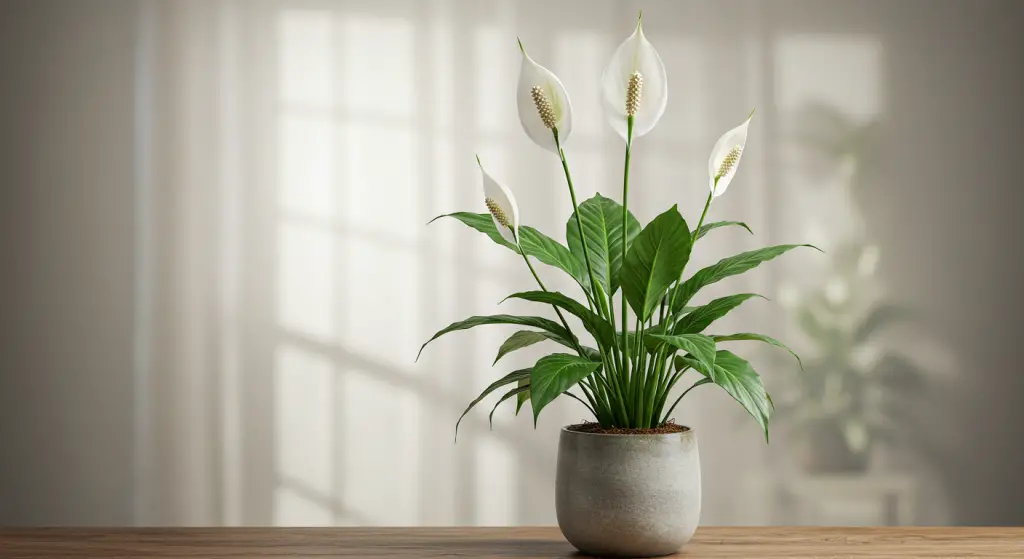
The Peace Lily (botanical name Spathiphyllum), belongs to the Araceae family and is a tropical evergreen plant native to the rainforests of Central and South America. Unlike many other flowering houseplants, it doesn’t have traditional stems — instead, its glossy leaves grow directly from a rhizome (an underground stem structure).
What most people refer to as the “flower” of the Peace Lily isn’t actually a flower at all. It’s called a spathe — a modified leaf that wraps protectively around a small, spike-like flower cluster known as the spadix. This white or cream-colored spathe gives the Peace Lily its iconic, sculptural appearance and symbolizes peace and purity, which is how the plant got its name.
Beyond its beauty, the Peace Lily is famous for its ability to clean indoor air. NASA studies have shown that Spathiphyllum can help remove common household toxins like benzene, formaldehyde, and ammonia, making it both a decorative and practical addition to your home.
The Secret to a Healthier, Fuller Peace Lily
If your Peace Lily has stopped blooming or seems to be struggling, it’s likely missing one key thing: nutrients. While store-bought fertilizers can help, there’s a simple, natural solution that works wonders — and it’s made from a plant that’s probably already in your home: aloe vera.
Aloe vera isn’t just good for your skin — it’s also an excellent organic fertilizer for indoor plants. It contains enzymes, amino acids, and natural growth hormones that strengthen roots, stimulate leaf growth, and promote flowering.
How to Make an Aloe Vera Liquid Fertilizer at Home
Making your own aloe-based fertilizer is quick, cost-effective, and 100% natural. Here’s how to do it step by step:
-
Get a fresh aloe vera leaf.
Cut one large, healthy leaf from the aloe plant. Make sure it’s mature and full of gel inside. -
Blend with water.
Place the aloe leaf in a blender with about 2 to 3 liters of water. Blend for a few minutes until you have a smooth, liquid mixture. -
Filter the solution.
Before using it, strain the mixture through a fine sieve or cheesecloth to remove any bits of fiber or spines. You’ll be left with a clean, nutrient-rich liquid fertilizer. -
Water your Peace Lily.
Use this mixture to water your Peace Lily about once every 15 days. You’ll soon notice shinier leaves, stronger stems, and more frequent blooms.
If you’d rather not put the whole leaf into your blender, there’s another option. Simply cut open the aloe leaf, scoop out the gel, and blend only the gel with water. This method produces the same benefits without the need to strain the solution afterward.
Why Aloe Vera Works So Well
Aloe vera acts like a natural growth booster. It enhances the plant’s ability to absorb nutrients from the soil and strengthens its immune system, making it more resistant to pests and diseases. It also improves moisture retention, which is particularly beneficial for the Peace Lily — a plant that loves humidity and consistent hydration.
The amino acids and vitamins in aloe encourage healthy, glossy leaves and stimulate flowering. Within weeks, your Peace Lily will look noticeably more vibrant and alive.
Additional Care Tips for a Thriving Peace Lily
Feeding your Peace Lily with aloe vera fertilizer is only part of the secret. To keep it truly healthy and blooming throughout the year, it’s important to pay attention to a few environmental details.
1. Temperature
Peace Lilies thrive in warm, stable environments. The ideal temperature range is 18°C to 25°C (64°F to 77°F). Within this range, your plant will stay in active growth and bloom regularly.
Avoid exposing it to temperatures below 15°C (59°F), as the cold can shock the plant and cause leaf damage. It can tolerate heat up to about 30°C (86°F), but beyond that, it may begin to wilt or dry out if humidity is low.
2. Light
These plants love bright, indirect light. Too little light will cause slow growth and fewer blooms, while too much direct sunlight can scorch the leaves and cause them to turn brown. The best spot is near a north or east-facing window, where it can enjoy gentle light throughout the day.
If your Peace Lily is placed in a dim area, try rotating it weekly or moving it closer to a light source for a few hours each day.
3. Soil and Potting Mix
The perfect soil mix for a Peace Lily is light, well-draining, and slightly acidic. You can make your own by combining peat moss, a bit of bark, and some sand or perlite. This ensures the roots get enough air while retaining just the right amount of moisture.
Repot your plant every two years or when the roots start to fill the pot. Always choose a container with drainage holes to prevent waterlogging — one of the most common causes of root rot.
4. Watering Routine
The Peace Lily enjoys consistently moist soil but dislikes sitting in water. Water it when the top layer of soil feels dry to the touch, and always empty any excess water from the saucer.
Mist the leaves occasionally to raise humidity, especially during the winter when indoor air tends to be dry from heating systems.
5. Location in the Home
Avoid placing your Peace Lily near drafty windows, air conditioners, or heating vents. These can create sudden changes in temperature and humidity that stress the plant. Also, don’t keep it in a stuffy or closed-off area — good air circulation is essential for healthy growth.
A Simple Routine for Lasting Results
By following these simple steps and using your homemade aloe fertilizer, you’ll notice dramatic improvements in your Peace Lily. Its leaves will look greener and more vibrant, its flowers will bloom more often, and the entire plant will radiate health.
Even better, this same aloe vera fertilizer can be used for other houseplants that have stopped blooming after their first flowering period — orchids, anthuriums, and even small tropical plants respond beautifully to it.
Final Thoughts
The Peace Lily is one of the easiest and most rewarding plants to grow indoors, and with just a little extra care, it can remain stunning all year round. Forget expensive fertilizers or chemical plant foods — a simple aloe-and-water mixture can do wonders for its growth and beauty.
So the next time you water your Peace Lily, try this natural method. With consistency and a bit of love, you’ll be amazed at how quickly your plant thanks you — with glossy leaves, elegant blooms, and the peaceful presence it brings to your home.