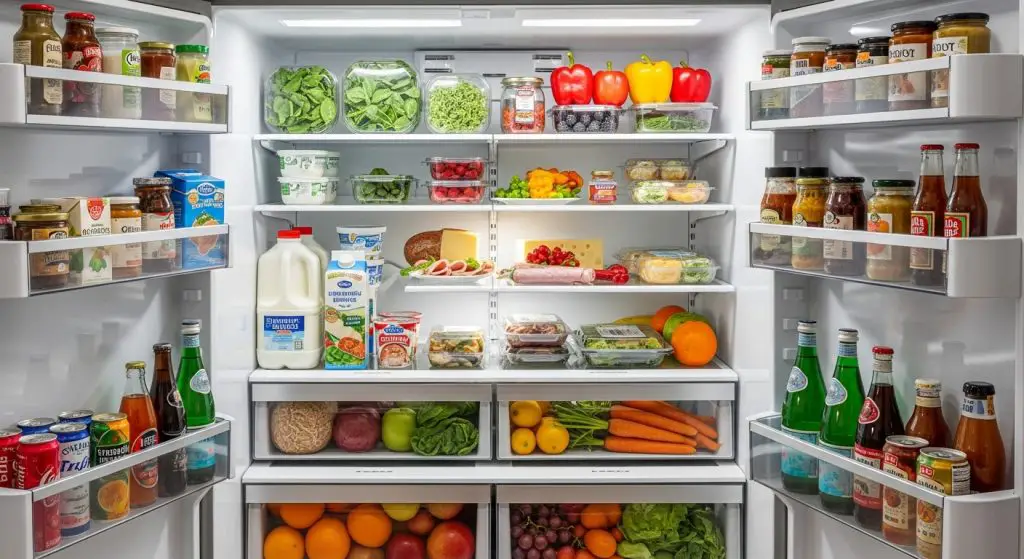
Refrigerator, activate this function if you want to save money: many people underestimate it
The rising cost of living continues to put pressure on household budgets everywhere. Food prices, rent, and utility costs are all climbing, and families are constantly looking for practical ways to reduce monthly expenses. Among the biggest sources of energy consumption at home is the refrigerator — an appliance we simply cannot live without.
Fortunately, there are simple, effective ways to cut down on its energy use, and some of these have become quite popular thanks to social media. By learning how to activate specific refrigerator functions and maintaining the appliance correctly, you can make a noticeable difference on your next electricity bill.
The Growing Importance of Saving Energy
In recent years, energy costs have skyrocketed across much of the world. As a result, people are becoming more conscious of their energy habits and the impact they have not only on their wallets but also on the environment. Reducing electricity consumption is now both a financial necessity and an ecological responsibility.
Many of us, however, aren’t fully aware of how to reduce energy use efficiently. We might turn off lights or unplug chargers, but large appliances like refrigerators, washing machines, and dishwashers often go overlooked — even though they run daily and consume significant amounts of power.
By understanding how to use these appliances smarter, we can lower energy bills without sacrificing comfort or convenience.
Simple Habits That Help Lower Utility Costs
Before diving into refrigerator-specific tips, it’s worth mentioning a few simple habits that can make a big difference across your entire home:
-
Use natural light whenever possible. Open curtains during the day instead of turning on artificial lighting.
-
Choose energy-saving bulbs. LED or low-consumption bulbs can reduce electricity use by up to 80% compared to traditional incandescent bulbs.
-
Iron clothes less often. The iron is one of the most energy-hungry household devices. Try to iron once a week, doing several garments in one session rather than multiple times a week.
-
Run your washing machine only with full loads. This saves water, electricity, and detergent.
-
Install water-saving filters. Faucet and shower aerators can reduce water flow without affecting pressure, helping you save on both water and heating costs.
These small adjustments may seem minor, but together they contribute to substantial monthly savings.
The Refrigerator: Small Actions, Big Savings
Now let’s talk about one of the most essential and energy-consuming appliances in your home — the refrigerator. It runs 24 hours a day, 365 days a year, which makes it a constant energy drain if not managed properly.
To keep your fridge efficient:
-
Always close the door tightly. Every time you leave it open, even for a few seconds, warm air enters and forces the motor to work harder to restore the right temperature. This not only increases energy consumption but also shortens the appliance’s lifespan.
-
Avoid overloading the fridge. Air needs to circulate freely inside to maintain consistent cooling. If it’s packed too tightly, the compressor will run more often.
-
Keep it clean and organized. Regularly removing old food helps maintain airflow and temperature efficiency.
But one of the biggest energy-saving tricks, now gaining viral attention online, has to do with the freezer section.
The Viral Trick: Defrosting the Freezer
Recently, social media has been buzzing with a video shared by British content creator Klaire de Lys, who revealed a surprisingly simple way to reduce household electricity bills — defrosting your freezer.
It may sound too easy, but this basic maintenance task can have a remarkable impact. Klaire explained that by removing the layer of frost and ice that often forms inside the freezer, you can reduce the appliance’s electricity use significantly — by as much as €50 per month in some cases.
Why does this work? Because when ice builds up on the freezer walls, the system must work much harder to maintain low temperatures. The thicker the frost, the more energy the motor consumes to keep everything frozen. In short, that extra layer of ice acts as insulation — but in the worst possible way.
By defrosting regularly, you help your freezer operate more efficiently, allowing cold air to circulate properly and reducing the strain on the compressor.
How to Defrost Your Freezer the Right Way
Defrosting your freezer is a simple but important process. Here’s how to do it safely and effectively:
-
Unplug the refrigerator or turn off the freezer section.
-
Remove all food items and store them temporarily in a cooler with ice packs.
-
Let the ice melt naturally. You can place towels or shallow trays at the bottom to catch water. Avoid using sharp objects or heat sources to speed up the process — they can damage the interior.
-
Clean the inside with a soft cloth dipped in a solution of warm water and baking soda or vinegar to remove any odors or residue.
-
Dry thoroughly before turning it back on. Once it’s running again, restock your food.
Doing this every few months keeps the freezer efficient and hygienic while helping you save money on energy.
Small Steps That Make a Big Difference
Given today’s high energy prices, even small adjustments can have a real impact. Activating your fridge’s energy-saving modes, keeping the door sealed, and defrosting regularly can help you lower electricity consumption without compromising performance.
It’s also a good idea to check if your refrigerator has specific eco functions. Many modern models include:
-
Eco Mode: Maintains efficient temperature levels automatically.
-
Vacation Mode: Reduces energy use when you’re away from home.
-
Temperature Alerts: Warn you if the door has been left open or if internal temperatures fluctuate too much.
By using these features properly, you can maximize performance while keeping costs down.
Final Thoughts
The refrigerator is one of the few appliances that never rests, but that doesn’t mean it has to drain your energy budget. Regular maintenance — like defrosting the freezer and cleaning the seals — along with activating built-in eco settings, can translate into real savings month after month.
Social media trends may come and go, but this one is worth keeping: defrosting your freezer is simple, effective, and environmentally friendly. At a time when every euro counts, it’s a small act that brings big rewards — for both your wallet and the planet.