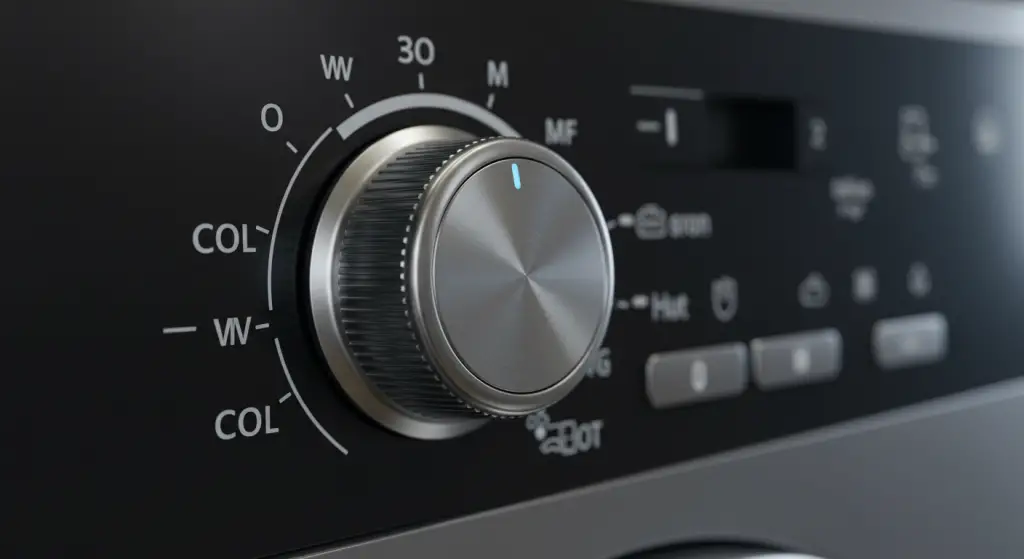
Set the washing machine to this temperature before starting it: you’ll save money at the end of the month.
If your electricity bill has been steadily increasing, your washing machine might be one of the main reasons. Although it’s an essential household appliance, it’s also one of the biggest energy consumers — especially when used at high temperatures. Luckily, there’s an easy way to cut costs without sacrificing hygiene or cleanliness: simply adjust your washing temperature.
Let’s take a closer look at the best washing machine temperature to choose if you want clean laundry, fresh sheets, and smaller bills at the end of the month.
Why You Should Rethink High-Temperature Washes
Changing your bed sheets regularly is essential for good hygiene and better sleep. Sheets accumulate not only sweat and skin cells but also microscopic dust mites and bacteria. For this reason, many people believe that washing them in very hot water — sometimes at 90°C — is the only way to get them truly clean.
However, this common belief isn’t entirely accurate. While hot water can indeed kill bacteria, modern detergents are now designed to work efficiently even at lower temperatures. That means you can achieve the same level of hygiene and freshness while using much less electricity.
And with energy prices constantly rising, washing laundry at high heat has become increasingly expensive. The hotter the water, the more energy your washing machine needs to heat it — and the more you end up paying. Reducing your washing temperature is one of the simplest and most effective ways to save money while still keeping your laundry spotless.
How Lower Temperatures Cut Energy Costs
When you select a high-temperature wash, most of the energy your machine consumes goes into heating the water. In fact, heating the water can account for up to 90% of the total electricity use during a washing cycle.
By lowering the temperature from 90°C to 30°C or 40°C, you can cut your energy consumption by more than half. Over time, that translates to significant savings on your monthly bill.
For example, if you wash several loads per week — especially bulky items like sheets, towels, and blankets — switching to cooler washes can save you dozens of euros per year, while also extending the lifespan of your fabrics.
The Best Temperature for Clean, Hygienic Laundry
So, what temperature should you actually use?
Experts recommend washing your laundry — including bed sheets — at 30°C to 40°C. These temperatures are more than enough to remove dirt, sweat, and bacteria, provided you use a good detergent.
At these lower settings:
-
30°C is ideal for lightly soiled clothes or delicate fabrics.
-
40°C is perfect for sheets, towels, and regular laundry that need a deeper clean.
You can also add a bit of white vinegar or a laundry sanitizer if you want extra disinfecting power. These natural and chemical-free additives help kill germs and eliminate odors, ensuring that your bedding and clothing come out fresh and hygienic without the need for boiling water.
Some washing machines even have eco or cold wash programs that are designed to maximize detergent efficiency at low temperatures. Using these settings can reduce both energy consumption and wear on your clothes.
Washing Sheets at Low Temperatures Still Gets Rid of Germs
One of the main worries people have when washing at lower temperatures is hygiene. After all, sheets are in constant contact with your skin and can harbor dust mites and bacteria. But here’s the truth — modern laundry detergents are formulated to perform even in cold water.
Many of them contain enzymes that become active at 30°C, breaking down stains and eliminating bacteria effectively. Combined with proper drying (especially in sunlight, which naturally kills microorganisms), your sheets will be just as clean and safe as if you had washed them at 90°C.
If you or someone in your home has allergies or sensitive skin, you can occasionally run a 60°C wash — but doing so every time isn’t necessary.
More Benefits of Washing at Lower Temperatures
Switching to lower washing temperatures doesn’t just help you save money — it brings several other important advantages:
-
Longer-lasting fabrics
Hot water weakens fibers, causing fabrics to fade, stretch, or tear over time. Washing at 30°C–40°C keeps materials like cotton, linen, and synthetics strong and vibrant for longer. -
Lower environmental impact
Using less electricity means lowering your household’s carbon footprint. Cold washes are one of the simplest ways to make your laundry routine more sustainable. -
Preserved color and texture
Heat can cause bright fabrics to bleed and dull-colored garments to fade. Cool washes protect your clothes’ colors and textures, keeping them looking new. -
Gentler on sensitive skin
Hot water can leave detergent residue on fabrics, which sometimes irritates the skin. Lower temperatures rinse more gently, leaving your laundry softer and safer. -
Quieter and faster cycles
Cold-water cycles tend to be shorter and quieter, giving you fresh laundry in less time.
Extra Tips to Wash Smart and Save More
If you’re ready to make the switch to energy-efficient laundry, here are a few extra habits to help maximize your savings:
-
Use full loads only. Running your washing machine half-empty wastes both water and energy.
-
Avoid overloading. Overpacked drums prevent proper cleaning and rinsing.
-
Choose the eco cycle. Most modern machines have a “Eco” or “Energy Saver” setting designed to optimize power use.
-
Wash at night or off-peak hours. If your energy provider offers lower night-time tariffs, run your machine then to save even more.
-
Keep your machine clean. Regularly clean the filter and run a maintenance wash (at 60°C with vinegar or baking soda) once a month to prevent build-up and keep it running efficiently.
Final Thoughts
Washing your laundry at 30°C or 40°C is one of the easiest and most effective ways to reduce your household’s energy consumption. You’ll get perfectly clean, hygienic sheets and clothes without the high costs that come with hot water cycles.
With energy prices on the rise, every degree matters. By adopting lower washing temperatures, you not only save money — you also protect your fabrics, extend the life of your clothes, and contribute to a cleaner planet.
So the next time you load your washing machine, resist the urge to turn the dial all the way up. Choose a cooler wash — your wallet, your wardrobe, and the environment will all thank you.