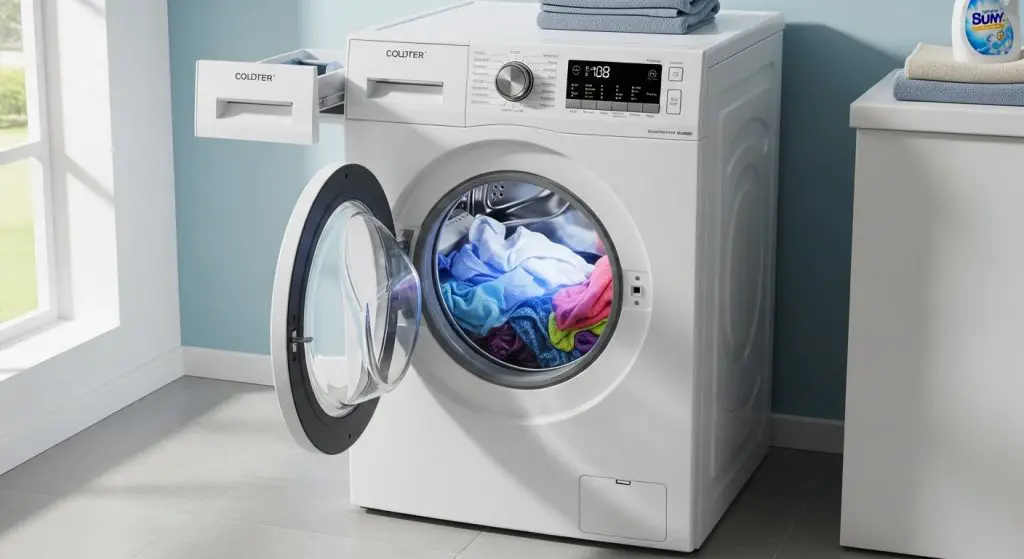
Washing machine, the jar trick for deep cleaning the filter: it works immediately
Regular maintenance is essential to keep your washing machine — and all your household appliances — working efficiently and lasting longer. One of the most overlooked but crucial parts of this maintenance is cleaning the washing machine filter. Many people focus on cleaning the drum or the detergent drawer but forget about the filter, which plays a key role in ensuring your laundry comes out clean and your machine runs smoothly.
Neglecting this small component can lead to several problems: unpleasant odors, longer wash cycles, clothes that come out dirty or smelling musty, and even higher electricity and water consumption. Luckily, cleaning the filter is simple, inexpensive, and takes just a few minutes — especially with the glass jar method, a surprisingly effective cleaning trick that costs almost nothing.
Why Cleaning the Washing Machine Is So Important
A washing machine is constantly exposed to water, soap, and dirt. Over time, detergent residues, limescale, and fabric fibers accumulate in various parts of the machine — particularly the drum, rubber gasket, detergent compartment, and filter. If these are not cleaned regularly, the buildup can cause mold, unpleasant odors, and even mechanical issues.
An unclean machine doesn’t just affect your laundry results — it also consumes more energy because the appliance must work harder to function properly. Regular cleaning helps prevent costly repairs and keeps your machine efficient for years to come.
Step 1: Clean the Drum
Before getting to the filter, it’s essential to clean the drum. This should be done at least once a month. The easiest way to do it is by running an empty wash cycle at a high temperature (around 90°C / 194°F).
For a natural and effective cleaning, pour one glass of white vinegar directly into the drum before starting the cycle. The vinegar acts as a powerful natural descaler, removing limescale deposits and killing bacteria that cause odors.
Once the cycle is done, your washing machine will smell fresh and be free of any detergent buildup or residue.
Step 2: Clean the Rubber Gasket
The rubber gasket (the seal around the door) often traps water, soap, and lint, creating a perfect breeding ground for mold and mildew. To clean it, prepare a simple paste with baking soda and water.
Dip a cloth or an old toothbrush into the paste and scrub the gasket thoroughly, especially in the folds and corners where dirt tends to accumulate. Wipe away the residue with a damp cloth and dry it completely. This will not only keep your machine hygienic but also prevent that unpleasant musty smell from transferring to your clothes.
Step 3: Clean the Detergent Drawer
The detergent and softener drawer can quickly become coated with sticky soap residue and mold, especially if it stays damp after each wash. To clean it properly:
-
Remove the drawer completely from the machine.
-
Place it in a basin filled with warm water and add either three tablespoons of baking soda or one cup of white vinegar.
-
Let it soak for about 30 minutes.
-
Scrub all corners using a small brush or an old toothbrush to remove dirt and buildup.
-
Rinse thoroughly and dry before reinserting it.
This easy step will help prevent mold, bad smells, and blockages in the detergent dispenser.
Step 4: Clean the Filter — The Glass Jar Method
Now comes the most important part: cleaning the washing machine filter. This should be done every three months, ideally four times a year.
The filter traps small debris, lint, coins, and other objects that might come off during washing. Over time, it can clog, leading to slow drainage, bad odors, and inefficient washing. Fortunately, cleaning it is simple if you follow these steps.
How to Clean the Filter Safely
-
Unplug the washing machine.
This is crucial for safety. Never perform maintenance while the machine is still connected to the power supply. -
Locate the filter.
It’s usually found at the bottom front of the machine, behind a small panel or flap. -
Place a shallow basin or towel under the filter opening.
When you remove the filter, some water may drain out, so this step prevents spills. -
Remove the filter.
Twist it counterclockwise and gently pull it out. You’ll likely find lint, hair, coins, or other debris trapped inside. Remove as much as possible by hand or with a paper towel. -
Rinse under running water.
Hold the filter under warm running water to loosen and remove any remaining dirt or detergent residue.
The Glass Jar Trick
Here’s where the clever part comes in. Instead of simply rinsing the filter, use the glass jar method for a deep clean:
-
Take a glass jar large enough to fit the filter.
-
Fill it with warm water and add a natural degreaser — either baking soda or white vinegar.
-
Place the filter inside and let it soak for at least 30–60 minutes.
This allows the natural ingredients to dissolve grime, limescale, and soap scum that ordinary rinsing can’t remove. Baking soda helps break down grease and residue, while vinegar disinfects and removes any lingering odors.
After soaking, scrub the filter gently with an old toothbrush to remove any remaining buildup.
Step 5: Clean the Filter Compartment
Before putting the filter back, take a moment to clean the compartment where it sits. Use a damp cloth or microfiber towel to wipe away any dirt, lint, or residue left inside.
Once it’s clean and dry, reinsert the filter and close the cover securely. Plug your washing machine back in, and it’s ready for use.
Final Tips for Keeping Your Washing Machine in Top Shape
-
Repeat this routine every three months. Regular cleaning keeps the appliance efficient and extends its lifespan.
-
Leave the door open after every wash to allow air circulation and prevent mold buildup inside.
-
Use the right amount of detergent. Excess soap can cause residue to form in the filter and drum.
-
Avoid leaving wet clothes inside after a cycle — it encourages bacteria and bad odors.
In Conclusion
Cleaning your washing machine filter is a small task with big rewards. With the glass jar method, you can easily dissolve dirt, soap, and limescale without harsh chemicals or expensive cleaners. By combining regular drum, gasket, and detergent drawer cleaning, you’ll keep your machine fresh, efficient, and odor-free.
A well-maintained washing machine doesn’t just wash better — it lasts longer and saves you money on repairs and energy bills. And all it takes is a few household ingredients, a bit of time, and a simple glass jar.